


Buying a new fishing rod usually starts with length, action, and price. Rarely does it begin with “What’s the environmental cost?” But it should. Materials, manufacturing, transport, and end-of-life disposal all add up. This guide provides a detailed analysis of the real-world environmental footprint of common fishing rod types, demonstrating how to reduce waste through small choices such as repairable parts, proper maintenance, and smarter combinations. It highlights practical options that balance performance and durability. You’ll still catch fish—just with a little less guilt.
Why Materials Matter More Than the Color
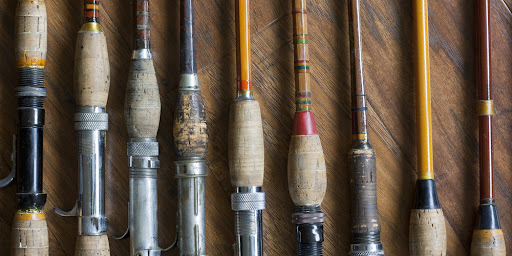
At the center of every fishing rod is its blank, and blanks are mostly carbon fiber, fiberglass, or hybrids.
- Carbon fiber blanks are light and long-lasting, which reduces the need to replace gear frequently. But they’re difficult to recycle and energy-intensive to produce and common in ultralight and high-performance rods.
- Fiberglass blanks are heavier and more forgiving; they’re often cheaper to make and can last decades if treated right. Recycling options are limited here too, but durability can offset initial impact.
- Hybrids try to capture the best of both: targeted carbon layers for sensitivity and fiberglass for durability.
So, sustainability isn’t black or white—it’s about trade-offs. A well-chosen carbon fishing rod that you keep and maintain for ten years can be greener than replacing cheap fiberglass gear every two seasons.
Manufacturing, Transport, and the Hidden Carbon
Beyond materials, consider where and how a fishing rod was made. Carbon blanks often involve high-temperature curing and overseas shipping. That adds to the product’s embodied carbon. Packaging is another small but meaningful factor: bulky boxes and single-use plastics increase waste.
Practical shopping tip: prioritize brands or sellers that minimize packaging and that disclose manufacturing practices. If you must ship a rod internationally, buy one with a durable case; it’s a small investment that prevents early damage and reduces the chance of a premature replacement.
Repairability: The Single Biggest Sustainability Win
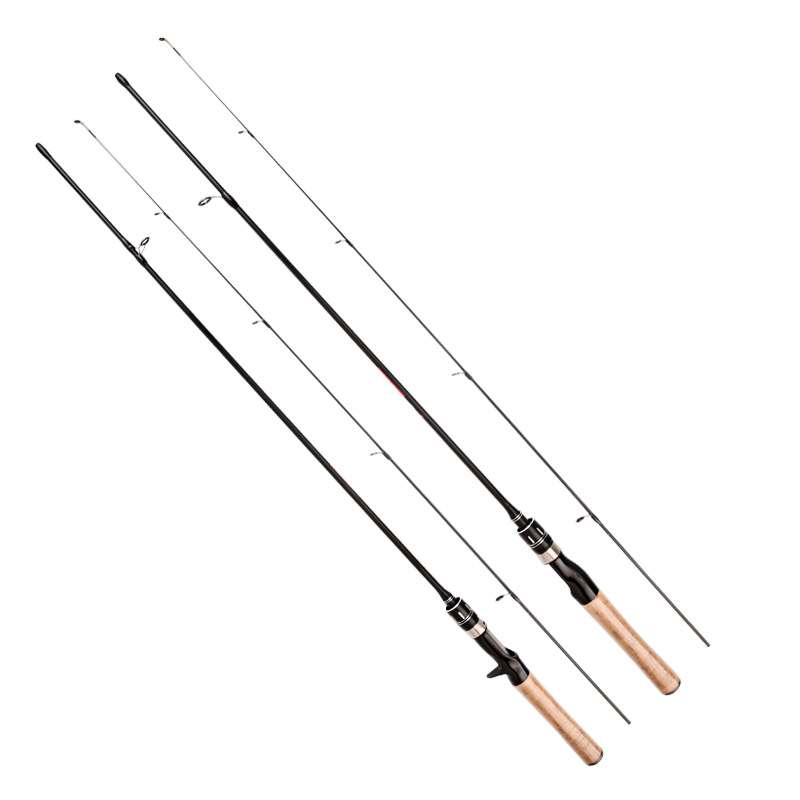
Here’s a blunt truth: most fishing rod waste comes from small, fixable failures. A cracked guide, a split handle cap, or a damaged ferrule often leads to a total replacement—unnecessarily.
- Replaceable guides and user-repairable ferrules extend rod life dramatically.
- Simple parts like reel seats and tip-top rings are cheap to swap; learning a basic re-wrap or carrying a field-repair kit keeps rods in play.
- Choose rods with standardized parts and avoid one-off proprietary fittings when possible.
The 2-Section Carbon Fiber Spinning Fishing Rod has premium ceramic guides and a simple reel seat design—both features that make field repairs and part replacements straightforward. Pairing such a rod with a durable Fishing Reel Saltwater Metal Coil that has serviceable bearings reduces the odds you’ll toss the whole setup over a small failure.
Maintenance: Low-Tech, High-Impact Sustainability
Regular care is the most effective way to lower your gear’s lifetime environmental cost.
- Rinse saltwater off after every trip; salt accelerates corrosion and forces earlier replacement.
- Inspect guides monthly—a tiny burr ruins expensive line and can force premature upgrades.
- Tighten and clean ferrules; loose joints cause stress points and fractures.
If you commit to a simple maintenance routine, your fishing rod will last longer, and you’ll buy fewer rods over your lifetime.
Storage, Cases, and Travel: Protect to Prevent
How you store and transport a rod affects its longevity. Telescopic models are convenient for travel, but cheap collars and sloppy collapse mechanisms invite grit and wear. Multi-section rods with solid ferrules can be more durable.
- Invest in a padded case or tube. It’s a one-time purchase that preserves blanks and negates replacements.
- For combos, choosing corrosion-resistant components like the metal coil reel’s CNC aluminum spool and sealed bearings reduces the frequency of part swaps. A well-maintained reel and a single, long-lived fishing rod are greener than frequently replacing both.
Fishing Rod Picks That Balance Performance and Durability

You don’t have to sacrifice quality for sustainability. Two practical, repair-friendly options stand out:
- The 2-Section Carbon Fiber Spinning Fishing Rod delivers sensitivity and uses premium ceramic guides—both traits that support long-term use. Ceramic inserts resist wear and protect the line, lowering the chance you’ll need a premature upgrade.
- The Fishing Reel Saltwater Metal Coil pairs well with durable blanks. Its CNC aluminum spool, sealed bearings, and robust internal parts are serviceable and built to last—which cuts down on disposable reels in the landfill.
Pick a rod and reel that are serviceable, pack them in a decent case, and you’re already taking meaningful steps toward greener fishing.
End-of-Life: What to Do When a Rod Really Is Done
When repair isn’t possible, try these options before throwing a fishing rod away:
- Sell salvageable parts: handles, guides, and reel seats often have value.
- Repurpose the blank as a tool handle or garden stake—creative reuse keeps materials out of landfills.
- Check local recycling centers; some composite recyclers accept carbon or fiberglass for downcycling.
Every small step reduces waste—and every angler who adopts these habits nudges the market toward more sustainable practices.
Conclusion—Smarter Choices Add Up
Sustainability for anglers isn’t about radical sacrifice. It’s about informed choices: selecting durable blanks, favoring repairable parts, pairing with a serviceable reel, and committing to maintenance and sensible storage. By choosing the 2-Section Carbon Fiber Spinning Fishing Rod that you’ll use for a long time, paired with the Fishing Reel Saltwater Metal Coil, you can reduce waste and enjoy fishing more. That’s a win for you and for the water.
Shop durable fishing rod and reel combos—select repairable blanks and serviceable reels for sustainable fishing.