


You’ve felt it: an otherwise perfect morning ruined by a sore wrist, a numb hand, or a cramp that turns an easy fight into an endurance test. The right fishing rod can reduce those tiny injuries and keep you fishing week after week. This article will delve into how rod design affects your body, from rod balance to handle shape, providing practical adjustment methods to reduce strain and highlighting equipment that can help you fish for longer, pain-free periods.
Why Ergonomics Matters

Fishing is repetitive. Casting, reeling, and setting hooks are repeated hundreds of times in a day. That repetition magnifies small ergonomic flaws. A rod that sits awkwardly in your hand or requires excessive wrist rotation will gradually produce fatigue. Fatigue leads to unsteady casting, missed bites, and ultimately, abandoning the fishing trip altogether.
Most product blurbs celebrate “sensitivity” and “power.” Those matter. But comfort is the baseline. If a fishing rod causes you to stop early, nothing else matters.
The Anatomy of Comfort: What to Prioritize When You Test a Rod
Weight Distribution and Balance
A well-balanced fishing rod centers mass close to the handle so the tip doesn’t feel like it’s pulling your wrist down. While a lightweight rod blank helps, balance is more important than sheer weight, especially with ultralight carbon fiber. When trying a rod, hold it in your normal casting position; it should feel neutral, not nose-heavy.
Support the rod between thumb and forefinger at the reel seat. If the tip droops noticeably, that blank will fatigue your wrist after a morning of casts.
Handle Shape and Material
EVA foam grips and soft wood handles provide different comfort profiles. EVA resists water and gives a secure, consistent grip—great when your hands are wet. Cork or soft wood feels warmer and can be gentler on the palms but absorbs sweat and takes damage more easily.
Grip length matters too. A short handle favors seated anglers and finesse techniques; a longer handle benefits two-handed power casts, like for surf casting. Choose a handle length that matches your typical stance.
Reel Seat and Hardware Ergonomics
A recessed, low-profile reel seat reduces the distance your hand travels to reach controls. Metal reel seats that bite into the palm can create pressure points. A good reel seat lets you hold the rod without pinching—notably important if you fish for hours.
Tip: try gripping a rigged rod with your dominant hand and simulate a cast-then-retrieve motion. Feel for hotspots.
Action and Feedback
Fast-action rods require sharper, more deliberate movements. That’s great for hooksets, but it magnifies poor technique. Moderate-action blanks absorb more shock and reduce wrist kick—useful if you’re recovering from an old injury or teaching kids to fish.
Technique Adjustments That Lower Strain
Ergonomics isn’t only hardware—technique matters.
- Use your torso, not just your wrist, for power casts. Rotate and step into the cast. Your larger muscles do the heavy lifting.
- Shorten your casting arc for high-frequency sessions. Fewer extreme motions equal less repetitive stress.
- Alternate hands or switch rod positions throughout the day to balance the load. Sounds silly, but it spreads the fatigue.
These small behavior tweaks pair with a forgiving fishing rod to multiply comfort gains.
Case Studies: Gear That Helps
Below are two products that illustrate ergonomic improvements without sacrificing performance. These are chosen for their design features that reduce fatigue during long sessions.
Telescopic Carbon Fiber Long Casting Fishing Rod—Travel-Friendly Balance
This telescopic fishing rod uses a high-density carbon blank that’s surprisingly light (about 158 g) yet maintains a strong backbone for mid-weight lures. Its ergonomic EVA handle reduces slippage and provides a comfortable contact surface during long retrieves. For anglers who travel frequently or need quick catches, the telescopic design eliminates the need for repeated assembly or lifting of multiple rod sections, significantly reducing the time spent in uncomfortable positions.
Why it helps: the rod’s balance and non-slip grip reduce wrist torque during long casts, and the single-piece telescopic deployment minimizes repetitive assembly strain.
Baitcasting Fishing Reel—Leverage and Control
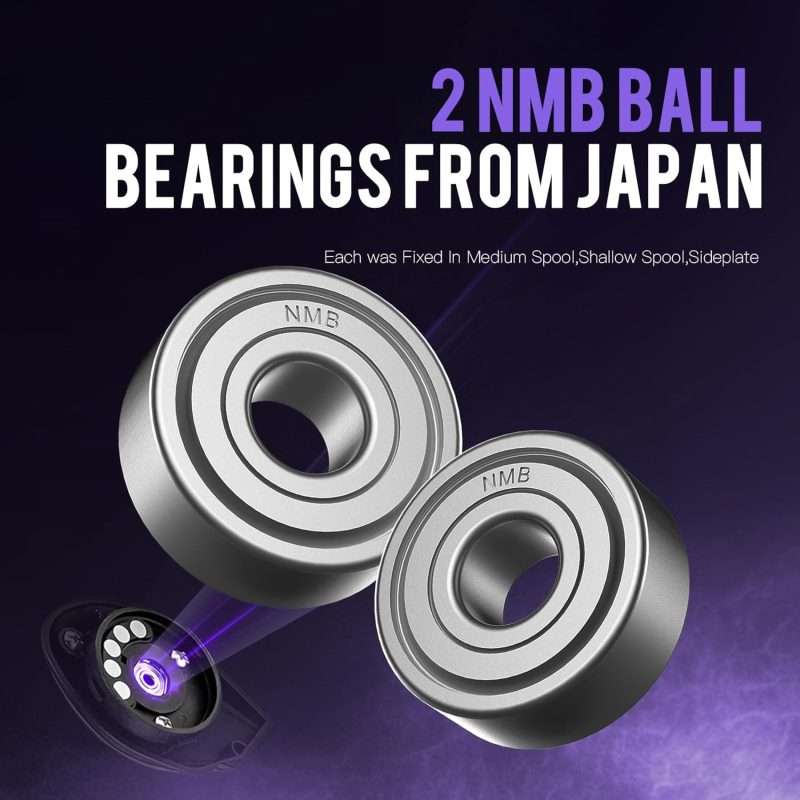
Pairing matters. A compact baitcasting reel with a large, ergonomic handle knob reduces wrist rotation during crank-heavy techniques. The baitcasting reel in our lineup features shielded bearings and an 8.1:1 gear ratio—high retrieve speed means shorter reeling bursts, which can lower cumulative wrist stress on busy days.
Why it helps: faster retrieves and a stronger throw-to-crank ratio shorten the duration of strenuous exertion per catch, and the handle design reduces hand contortions during fights.
Simple Gear Tweaks That Pay Big Comfort Dividends
You don’t need a new setup to reduce pain. Try these quick fixes:
- Add a thin, cushioned grip sleeve or tape to pressure points.
- Use a wider knob on the reel handle for better palm leverage.
- Choose a slightly heavier line to avoid fighting every fish with micro-precision that tenses your forearm.
- If you fish standing all day, alternate between a standing and seated posture every hour.
Small adjustments beat big expenses when comfort is the target.
When to Seek Professional Advice
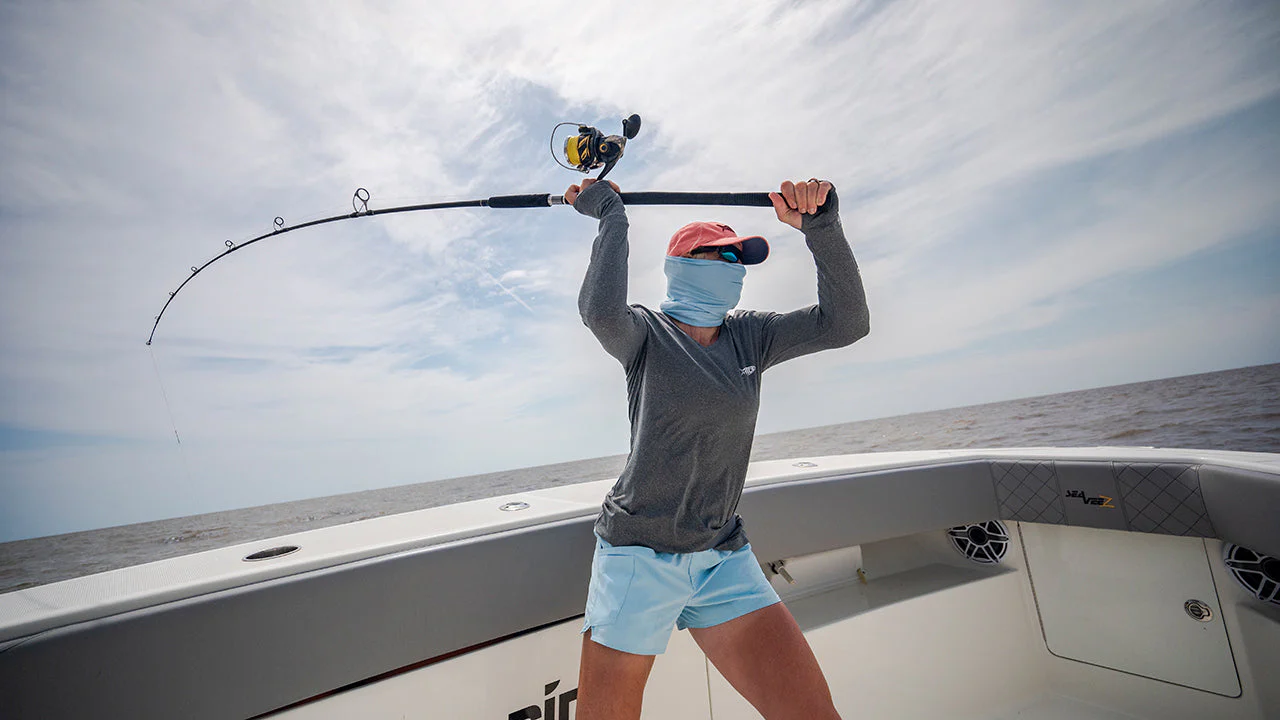
If numbness or persistent pain develops, see a medical professional. Ergonomic changes help, but they’re not a substitute for treatment. Meanwhile, a certified casting coach can refine technique that reduces strain—often, small posture changes prevent chronic issues.
Conclusion—Comfort Is a Performance Hack
A comfortable fishing rod lets you cast better, fish longer, and actually enjoy the day. Focus on balance, handle ergonomics, and reel pairing. For commuters, the Telescopic Carbon Fiber Long Casting Fishing Rod and an easy-to-grip baitcasting reel offer a combo that reduces setup strain and wrist torque. Try small technique tweaks. And remember: the best fishing rod is the one you can fish with comfortably, again and again.
Choose an ergonomic fishing rod and reel combo—a light telescopic rod paired with an ergonomic baitcasting reel.