


If you fish from a kayak, Jon boat, or small bass boat, your fishing rod choices matter more than you think. Tight casts, limited storage, and the need for quick, accurate hookups change which blanks and reels shine. This commercial comparison breaks down what works on small watercraft and what doesn’t and gives real, purchase-ready recommendations so you spend time catching—not tinkering.
Why a Small-Boat Setup Is Its Own Animal
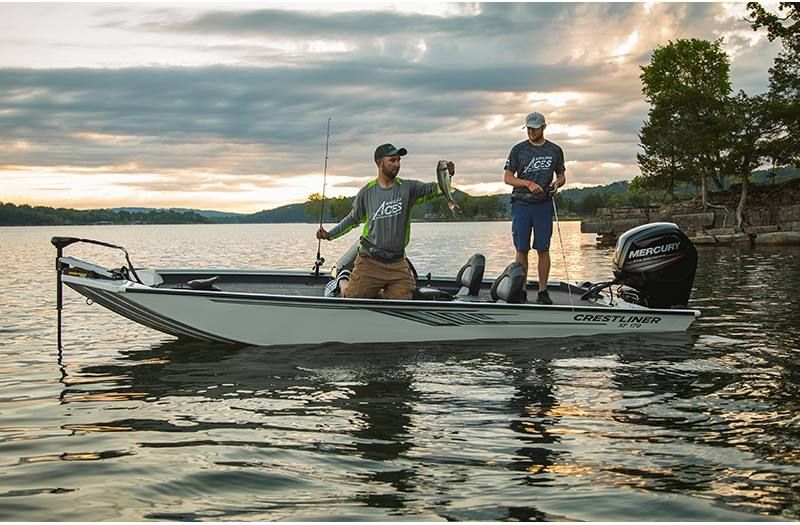
On a small boat you’re often seated, space is tight, and every inch of reach counts. A fishing rod that’s perfect on a long bank can be clumsy on a skiff. Key issues:
- Casts are shorter but need precision.
- Retrieving overboard requires a strong backbone and quick line pickup.
- Storage constraints favor rods that pack down or are short enough to stow safely.
So the best fishing rod for a small-boat angler balances length, action, and portability.
What to Prioritize or Ignore
Before we compare models, settle these priorities:
- Length & action: 6’6″–7’6″ is usually ideal for boat work; fast to extra-fast tip action gives crisp hooksets.
- Blank material: Carbon fiber offers sensitivity and light weight; fiberglass adds forgiveness when you need it.
- Handle & balance: Shorter but ergonomic handles keep the rod comfortable during long retrieves.
- Storage: Collapsible or two-piece rods help on tight boats—but check ferrule quality.
Ignore the marketing frenzy around “ultra-specialized” blanks unless you truly need that niche. For most small-boat anglers, a well-balanced fishing rod wins over hyper-specific toys.
Head-to-Head: Three Small-Boat Scenarios and the Optimal Rod Profile
Scenario A—Tight-Quarters Dock Hopping
You’re under a dock edge, flipping soft plastics into shadowed seams. You need short, accurate casts and strong hooksets.
Ideal rod: a short, fast-action fishing rod with quick tip recovery. Sensitivity helps feel light bites in the structure.
The 2-Section Carbon Fiber Spinning Fishing Rod—ultralight carbon blank for superb vibration transmission, ceramic guides for smooth line flow, and a short overall profile that’s forgiving in tight shots. Its lightweight keeps fatigue down during long hours of flipping.
Scenario B—Open-Lake Cranking and Topwater
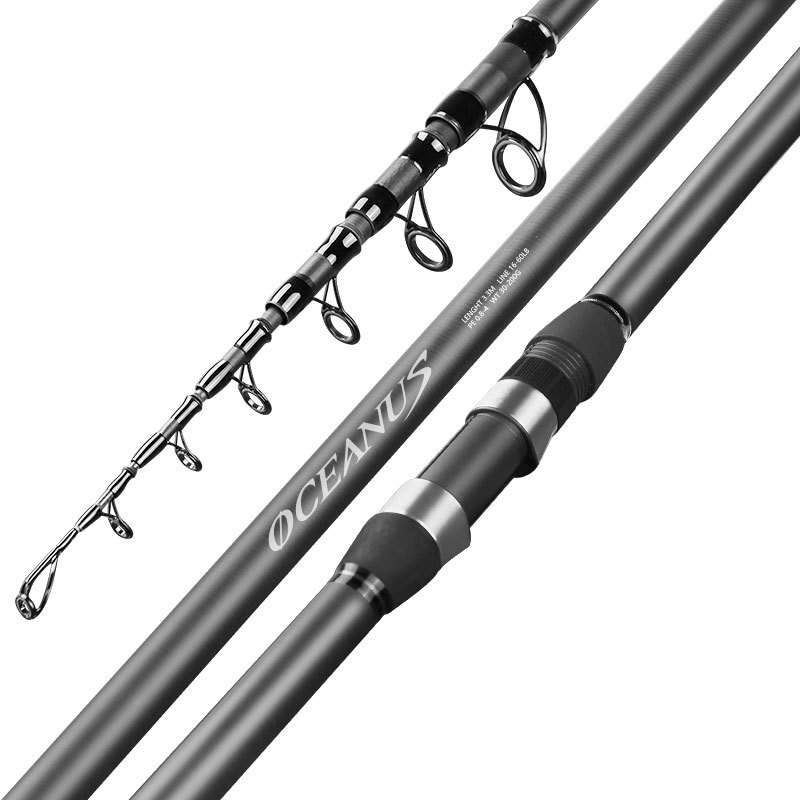
Here you need distance for long casts and enough backbone to fight aggressive bass.
Ideal rod: slightly longer (7′ to 7’6″) with a robust midsection and a fast tip to drive hooks into bigger mouths.
The High Carbon Fiber Sea Pole Fishing Rod—it’s built for variety, with sturdy blank construction and silicon-carbide guides that handle heavier line and larger lures. It’s a good compromise for anglers who switch between crankbaits and surface plugs.
Scenario C—Small-Boat Travel and Packing
For anglers who trail a small aluminum boat or kayak, storage and transport matter.
Ideal rod: a compact multi-section or a two-piece fishing rod that assembles quickly and performs like a full-length blank.
The 3-Section High-Density Carbon Fiber Fishing Rod—it collapses for storage but rebuilds into a responsive blank with fast action. Great for anglers who need full performance without oversized packing.
Reel Pairings & Line Choices That Actually Work
A rod is only as good as the reel you pair with it. For small-boat bass work:
- For the 2-Section Carbon Fiber Spinning Fishing Rod, use a quality spinning reel spooled with 8–12 lb braid or 8–10 lb fluorocarbon leader: ideal for finesse and twitch presentations.
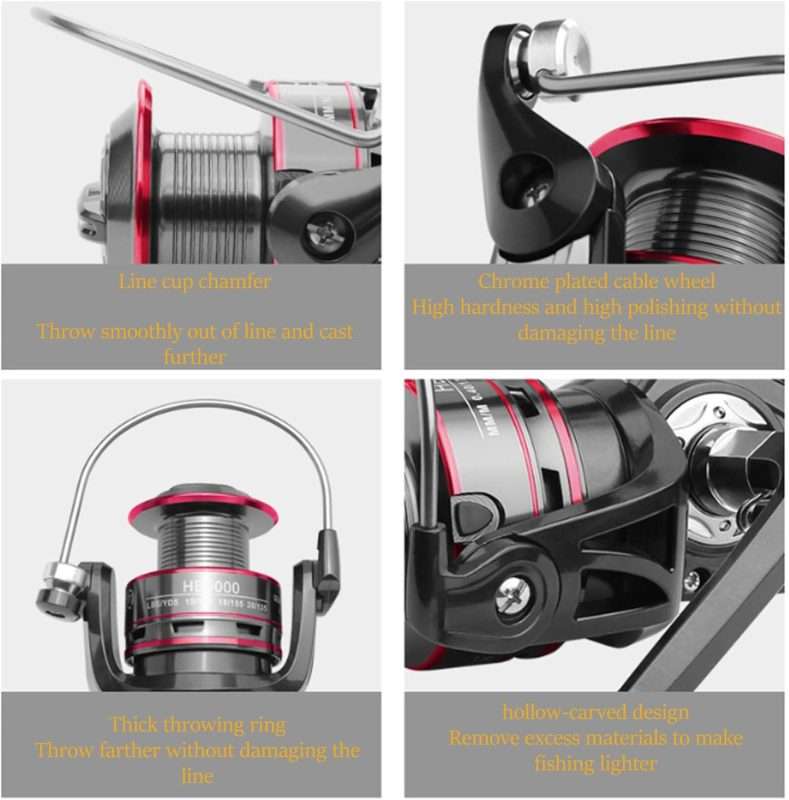
- For heavier cranking on the High Carbon Fiber Sea Pole Fishing Rod, choose a mid-size saltwater-capable spinning reel like the Fishing Reel Saltwater Metal Coil. Its CNC aluminum spool and sealed bearings handle heavier drag demands and the occasional salt exposure if you fish coastal lakes.
- For baitcasting techniques from a compact rig, pair the 3-Section High-Density Carbon Fiber Fishing Rod with a low-profile baitcaster and 15–30 lb braid depending on cover and lure size.
Line choice is tactical: braid for sensitivity and hook-setting power around cover; fluorocarbon for stealth and abrasion resistance when structure is rough.
Durability & Maintenance—Small Boat Realities
Small-boat anglers often deal with splash, wet storage, and sun exposure. That means:
- Favor corrosion-resistant guides and sealed reel bearings. The Fishing Reel Saltwater Metal Coil offers double-sealed bearings and aluminum rotors—useful even on freshwater boats because maintenance windows are small.
- Check ferrules on multi-piece rods; loose joints are the most common performance killer on boats.
- Store rods horizontally in padded holders or vertically with tip guards to avoid deck damage.
A bit of attention keeps a fishing rod working like new for seasons.
Quick Buying Checklist for Small-Boat Bass Anglers
- Choose length: 6’6″–7’6″, depending on space.
- Pick action: fast tip for hooksets and lure action.
- Match reel: spinning for light presentations, baitcasting for heavy cover.
- Consider storage: 2- or 3-piece rods if you trailer or kayak.
- Prioritize corrosion resistance if you ever mix freshwater with salty launches.
Conclusion—Pick the Rod That Fits Your Boat and Fish More
Small-boat bass fishing rewards simplicity. A well-chosen fishing rod makes every cast count and reduces the fiddly stuff that kills a short session. If you flip under docks, the 2-Section Carbon Fiber Spinning Fishing Rod gives you sensitivity and compactness. If you need a do-it-all shore-and-boat blank for bigger lures, the High Carbon Fiber Sea Pole Fishing Rod offers backbone and versatility. Pair it with a seaworthy reel like the Fishing Reel Saltwater Metal Coil for dependable drag and low upkeep. Buy smart, rig simply, and get back to fishing faster.
Shop small-boat combos: choose a compact spinning rod or robust sea pole with saltwater reel.