


Imagine this scene: the long-awaited bite finally comes. You set the hook, and a raw, violent force surges through the line. The fish takes off, and your fishing reel makes a sound—is it a silky, smooth, song-like “ZZZZZZ…” or a jerky, squeaky, nerve-wracking “creak…crack…”?
The difference is more than auditory. It directly predicts the outcome of the battle: a controlled victory or a heart-pounding gamble.
This decisive sound comes from the most precise yet often overlooked component of your gear—the reel’s brake system. We obsess over rod sensitivity and carbon fiber grades but often treat the fishing reel as a simple line retrieval tool.
When the big fish exerts its strength and the rod has transmitted its feedback, the “second brain” executing the drag strategy is the silent brake system. Today, let’s explore this “brain,” how it works, and why it deserves the same attention you give your rod.
More Than “Tighten” and “Loosen”: The Inner World of the Brake System
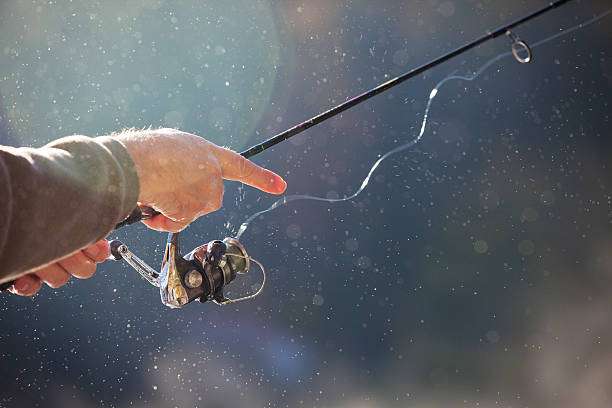
Many anglers’ understanding of drag is limited to turning a star knob to “tighten or loosen.” True, but that is just the tip of the iceberg. A brake system is a miniature engineering marvel, composed of pressure plates, drag washers, main gears, and precision springs.
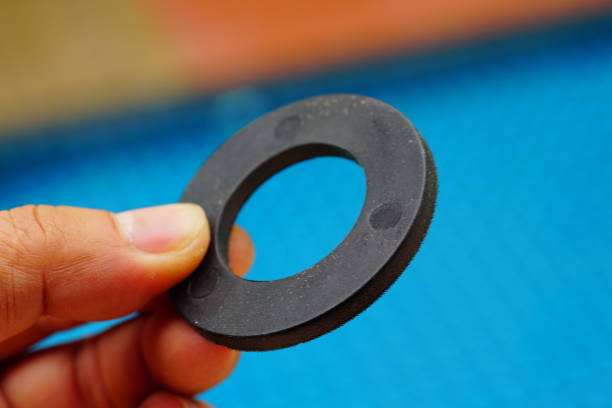
Drag washer material is key. Traditional, economical felt washers provide gentle initial drag and easy maintenance, but they overheat under sustained high-speed line pull, causing inconsistent drag. Moisture can further accelerate aging.
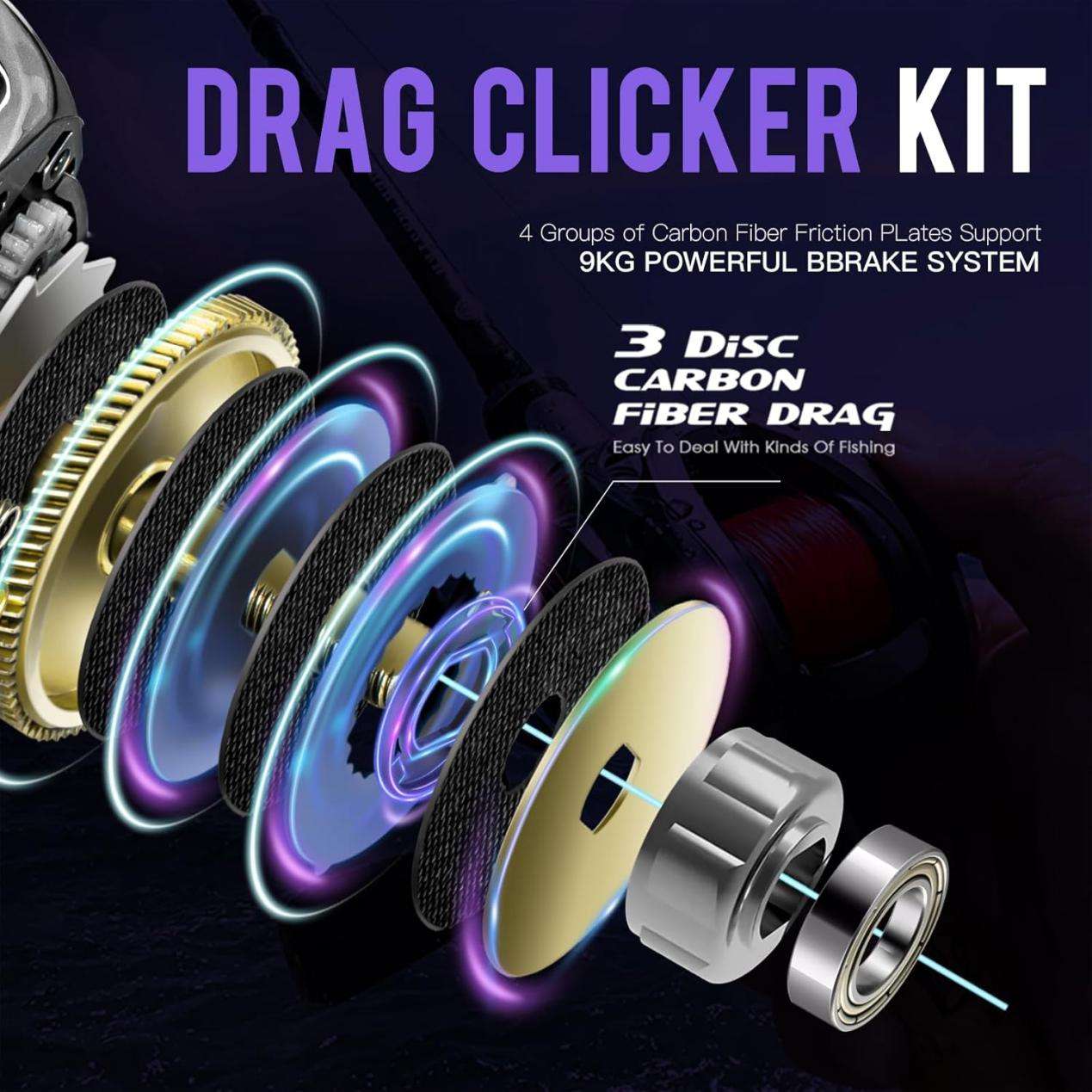
Modern high-performance fishing reels increasingly use carbon fiber drag washers. Their advantages are revolutionary:
- Exceptionally smooth, offering near-linear drag output. Fish experience predictable resistance, reducing line break risk.
- Excellent heat tolerance, maintaining stable drag even during prolonged fights. A calm tactician, keeping pace regardless of battle intensity.
“Linear” vs. “Non-Linear”: Two Distinct Fishing Philosophies
A linear drag output means resistance increases steadily from start to full lock. It provides a predictable framework for both angler and fish, efficiently exhausting the fish while giving the angler clear control.
Non-linear drag (or cheap systems with sudden jumps) may start tight, then loosen suddenly, or lock unexpectedly during a fish’s sprint. This unpredictability is dangerous: the line can snap under sudden peaks, or the fish gains a breathing chance, potentially escaping the hook.
The goal of a top-tier drag system is extreme linearity: fair resistance, efficient exhaustion, and a minimized luck factor.
Listening to the Drag: The Underrated “Cue Sound” Feature
Sound is a key feedback dimension. Some professional fishing reels integrate a tiny audible device in the drag system, producing rhythmic “clicks” as the line is pulled.
This is not mere theatrics. In real scenarios, it’s critical:
- Deep water structure fishing: When your bait is tens of feet below, vision is limited. A subtle bite may only cause a light line pull; a crisp click signals an immediate set.
- Night fishing: With limited vision, hearing becomes primary. Drag clicks enable instant reaction.
- Estimating fish size and activity: Experienced anglers can gauge fish size and burst strength by the frequency and force of clicks, adjusting fight strategy accordingly.
This feature elevates the drag system from passive resistance to an active information communicator.
Practical Case Study: Technology Serving Specific Scenarios
Take a modern baitcasting bass fishing reel as an example. Its drag system features 20 lb carbon fiber drag washers. This material provides smooth and reliable baseline resistance, essential for high-speed retrieves and precise control in bass or pike fishing.
The audible drag feature is ideal for topwater lure operations (surface poppers, walking baits). When a fish strikes underwater, the clear “click” immediately signals the hook set, minimizing reaction delay and improving hook-up rates.
Additionally, the fishing reel comes with 6+1 waterproof bearings for freshwater-saltwater edge environments. This ensures smoothness under sand or salt intrusion. A stiff bearing would compromise the drag feel, no matter how good the drag washers.
FAQ
Q: How should I set the correct drag value? Is there a golden rule?
A: A widely accepted starting point is 1/3 to 1/2 of your line’s maximum strength. For a 10 lb line, set drag at 3–5 lbs. Use a spring scale for rough calibration. Too tight: the line may break on the first sprint; too loose: insufficient pressure to exhaust the fish. Adjust gradually during the fight.
Q: Does a carbon fiber drag system mean zero maintenance?
A: No. Precision fishing reels require upkeep. Carbon fiber drags are stable and wear slowly but are not “maintenance-free.” Regularly (annually or per usage) check, clean, remove debris, and apply dedicated drag grease when needed. Waterproofing protects against corrosion, extending service life.
Next time you hold your rod, feel the life beneath the water, and also pay attention to the hand on the fishing reel—the mechanical core silently providing resistance or audibly signaling.
Your rod is an extension of your senses; the fishing reel’s drag system is the tactical execution center connecting perception to victory.
It is not just a knob. It is the product of precise calculation and material science—your intelligent agent in negotiating strength with big fish.
Investing in a smooth, reliable, feedback-providing drag system is like hiring a calm, professional second brain for your fiercest battles.
In critical moments, you may realize that this “second brain” is the true hero ensuring your story has a triumphant ending. It’s time to respect and understand the “brain” inside your fishing reel, just as you tune your rod.