


Have you ever stood on the coast, watching waves crash against the rocks, feeling an itch to cast your fishing rod into that vast blue—yet hesitated because of unfamiliarity with the saltwater environment?
Perhaps you are already an expert in freshwater fishing, effortlessly handling bass in lakes or trout in rivers, but when it comes to saltwater fishing, you always feel that something is missing from your tackle box.
This hesitation is completely normal.
The transition from freshwater to saltwater fishing is not just a change of location but a comprehensive upgrade in equipment reliability, corrosion resistance, and overall performance.
Today, let’s talk about the key transformations your tackle needs to undergo when your fishing ambitions expand from calm lakes to the surging ocean.
Why Freshwater Gear “Doesn’t Last Long” in Saltwater
This is not alarmist talk.
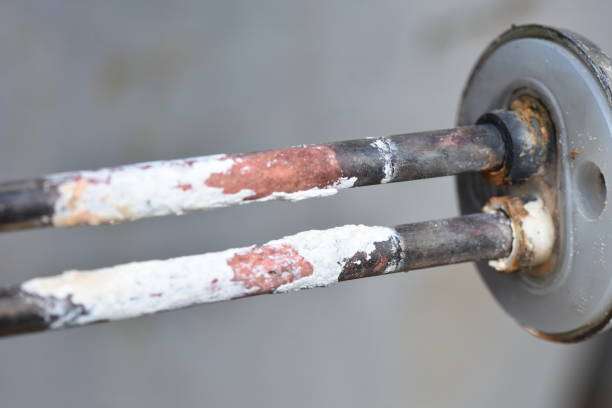
Saltwater, especially seawater, is the number one enemy of precision fishing equipment.
It is not simply “saltier water.” The salt, minerals, and microscopic sand particles in seawater can corrode metal components, damage guides, and destroy spool smoothness at an astonishing speed.
Your beloved spinning reel that has served you faithfully for years in freshwater may begin to emit ominous creaking sounds, suffer unstable drag, and retire early after just a few saltwater sessions.
Corrosion is a silent killer.
It does not only happen where you can see it.
Even with diligent rinsing after every use, tiny salt crystals can remain inside bearings or threaded gaps, continuing their destructive work.
Therefore, one of the core missions of Tackle, designed specifically for saltwater environments, is “defense.”
This involves the use of specialized materials—such as corrosion-resistant alloys, stainless steel bearings, and protective coatings—as well as sealing technologies like waterproof bearings and O-ring seals to build a solid line of defense.
Power and Endurance Upgraded: New Fish, New Rules
Setting corrosion aside, saltwater fishing often means facing stronger opponents and harsher environments.
Whether you are hauling an enraged red drum from a breakwater, engaging in a tug-of-war with grouper around rocky reefs, or long-casting in search of sea bass, these scenarios demand much more from your equipment’s backbone, drag power, and durability.
The Fishing Rod’s “Spine” Must Be Stronger
The sensitive tip of a freshwater bass fishing rod may still excel at detecting saltwater bites, but its blank may lack the power needed to quickly pull fish away from oyster-covered rocks or strong currents.
An excellent saltwater fishing rod must retain sufficient tip sensitivity to transmit bites while possessing an exceptionally solid lower section to ensure confident hooksets and control during the fight.
The Reel’s “Heart” Must Be Stronger
Saltwater fish often make shorter, more explosive runs.
A reel with insufficient maximum drag or drag washers prone to slipping in hot, humid conditions can instantly put you at a disadvantage.
You need a reel with a powerful, smooth, and durable drag system, as well as robust gears capable of handling massive torque.
Fighting the Environment Itself
- Long-distance casting requires smoother guides and optimized blank curvature to reduce air resistance.
- Standing on rocks demands more slip-resistant handles.
- Frequent casting and retrieving call for ultra-light weight to combat fatigue.
These are all core considerations in saltwater tackle design.
Decoding the Qualities of a True Saltwater Fishing Rod
So, what exactly should a fishing rod have to give you confidence against the ocean?
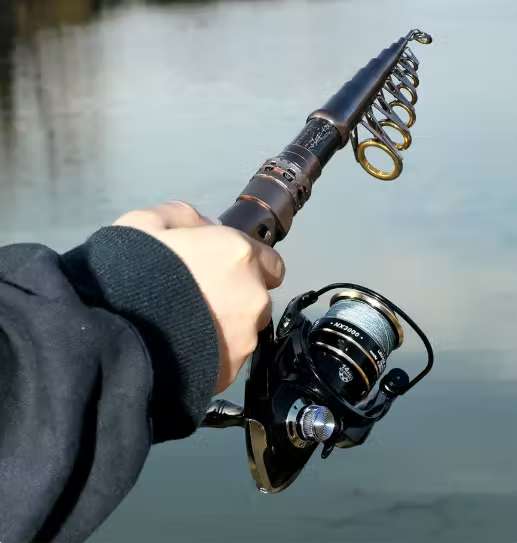
Let’s break down these key qualities using a professional saltwater/rock fishing carbon fiber telescopic long-casting rod as an example.
First: The Art of Balancing Material and Weight
It is constructed from high-density carbon fiber, yet the entire fishing rod weighs an astonishing approximately 158 grams.
This means that while delivering the extreme strength and durability required for large saltwater fish, it maintains an incredibly light feel.
You can perform high-frequency long-distance casting all day on rocky terrain without premature arm fatigue—a critical factor when capitalizing on tidal windows.
Second: Precision Tuning
This fishing rod is precisely tuned for a 15–30 gram lure weight range.
This is not a vague recommendation but a performance sweet spot.
Within this range, blank elasticity and balance work in perfect harmony, enabling both long and accurate casts while providing clear feedback from underwater structures such as reef edges and drop-offs.
This precision is the difference between “just throwing” and delivering the lure to the target zone.
Third: Comprehensive Saltwater Optimization
Its guides and reel seat have undergone specialized anti-corrosion treatment, forming the foundational protection against saltwater intrusion.
Meanwhile, the ergonomically designed EVA handle provides a secure, non-slip grip even when waves soak your hands.
This ensures stable and confident control at critical moments—such as when a big fish suddenly dives.
Fourth: Sensitivity and Power in Coexistence
It features a sensitive tip that perfectly transmits subtle bite signals—remember, many saltwater fish bite cautiously.
At the same time, it offers a solid blank that delivers absolute control over the fish.
This design allows you to detect gentle pecks from sea bream while confidently subduing explosively running grouper.
Your First Saltwater Setup: How to Start Smart
For freshwater anglers looking to enter the saltwater world, my advice is simple:
Do not try to solve everything with one setup. Invest precisely for the specific scenario that interests you most.
For example, if you are interested in long-casting metal jigs or live bait from coastal rocks, a long-casting saltwater fishing rod like the one described above should be your core weapon.
Pair it with a reel designed specifically for saltwater, featuring strong drag power and corrosion-resistant bearings, and you will cover a large portion of nearshore fishing scenarios.
This combination keeps you highly competitive against common saltwater targets such as sea bream, sea bass, and grouper.
Compared to purchasing a so-called “all-purpose” beginner combo that excels at nothing, this targeted high-end investment is actually more economical, as it delivers genuinely enjoyable and successful experiences with a longer equipment lifespan.
[Explore a fishing rod designed to unlock confident saltwater casting.]
Frequently Asked Questions (FAQ)
Q: Can I occasionally use my best freshwater lure setup in saltwater (such as estuaries)?
A: Yes, but only with extreme caution and immediate, thorough maintenance.
After use, gently rinse the reel (avoid high-pressure water) and fishing rod guides with lukewarm freshwater, then fully wipe and air-dry them.
Even so, long-term hidden damage to unprotected components from salt cannot be completely avoided.
For frequent or prolonged saltwater use, saltwater-optimized equipment is strongly recommended.
Q: How does maintaining saltwater tackle differ from freshwater tackle?
A: Rinsing is mandatory—and the standard is higher.
After every use, thoroughly rinse the fishing rod, guides, and reel with freshwater.
Reels should receive periodic deep maintenance, including cleaning and reapplication of anti-corrosion lubricants.
Inspect guides for salt residue or signs of corrosion.
Simple wiping is far from sufficient for saltwater equipment.
A New Chapter from Freshwater to Saltwater
The transition from freshwater to saltwater is an exciting expansion of your fishing career.
It represents exploration of larger waters, stronger opponents, and more novel experiences.
The success of this exploration begins with respect for equipment and wise choices.
Investing in reliable tackle designed specifically for saltwater is not an expense but an entry ticket and insurance for countless future seaside sunrises and thrilling battles with ocean giants.
When you are ready to expand your fishing territory into the blue ocean, start with a truly professional tool.
A carbon fiber saltwater fishing rod that enables confident long casting from rocks, clear perception of the underwater world, and sufficient power to finish the fight is more than just tackle.
It is the key to unlocking a brand-new fishing adventure.
The waves, the sea breeze, and the fish are calling.
It is time to respond with the most suitable equipment.