


Introduction
Buying a fishing rod shouldn’t feel like decoding a rocket. Yet between action, power, materials, and a parade of acronyms, it’s easy to get dizzy. This guide strips the jargon, lines up real-world picks, and helps you match the rod to the fish, the method, and the mood—whether you’re flinging lures off a rocky jetty, dialing in subtle finesse for trout, or traveling light with a telescopic stick. Read on and you’ll know what to buy, why it matters, and which of the supplied rods fits each job.
Start with the Job: Match Rod to Fishing Style
A rod is a tool. Ask first: what are you fishing for, where, and how often? Here are practical groupings.
Finesse/Light Freshwater (Trout, Bluegill)
Look for ultra-light power, high sensitivity, and minimal weight. The 2-Section Carbon Fiber Spinning Fishing Rod (101 g) is built for these scenarios. It transmits tiny bites, supports single-hand casts, and won’t tire your arm during long sessions.
All-Round Freshwater & Small Saltwater
Medium-light to medium rods cover a huge sweet spot: bass, small salt species, and mixed days. The High Carbon Fiber Sea Pole Fishing Rod with balanced lure ranges (15–30 g) is perfect if you switch spots or techniques.
Surf/Nearshore Saltwater & Big Fight Situations
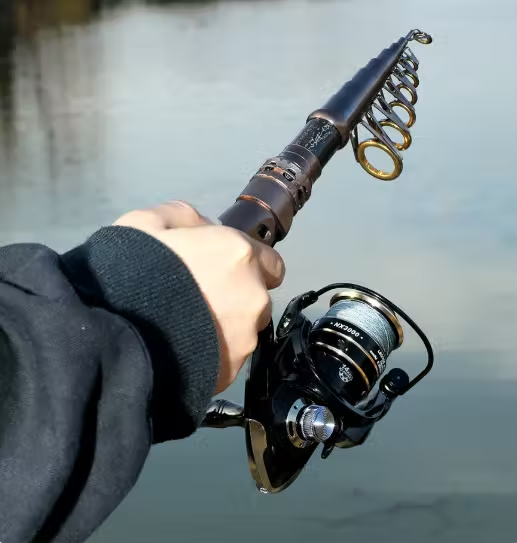
You want corrosion resistance, a heavier backbone, and reel seats that stay tight. The Telescopic Carbon Fiber Long Casting Fishing Rod (158 g) is optimized for sea fishing, featuring corrosion-resistant guides and a sturdy shaft, making it ideal for shore fishing and battling fierce sea fish.
Travel, Convenience or Spontaneous Trips
Telescopic or multi-section rods win here. The 3-Section High-Density Carbon Fiber Fishing Rod collapses for carry-on convenience without sacrificing a useful range of actions.
Rod Anatomy That Actually Changes Catches: Not Just Specs
Knowing what each component does makes purchases smarter.
Blank Material: Carbon vs Fiberglass vs Hybrid
- Carbon fiber (high-density / high-modulus): Lower weight, higher sensitivity, quicker recovery—great for lures and precise feel. Mostly the rods above use carbon fiber for this reason.
- Fiberglass: More forgiving, slower action, durable—good for big baits and heavy-duty work.
- Hybrid: Offers a middle ground.
If sensitivity to bites is your priority, choose carbon.
Power and Action: What the Words Mean in Practice
- Power (light, medium, heavy): How much force it takes to bend the rod. Light = small fish; heavy = big, strong fish.
- Action (slow, medium, fast): Where the rod bends. Fast action bends near the tip—better for single-hook sets and long casts. Slow action bends deeper—more forgiving on light line and small fish.
For example, the Telescopic Carbon Fiber Long Casting Fishing Rod mentioned above pairs a sensitive tip with a strong backbone—giving the best of both worlds when you need to feel hits but still shoulder big runs.
Length, Sections, and Portability
- Short rods (6′ or less): better for accuracy, tight spaces, and boat use.
- Medium (6’–7’6”): versatile; good for many freshwater techniques.
- Long rods (8’+): longer casts, better hooksets at a distance—common in surf/shore rods.
Telescopic and multi-section models compress for storage. If you travel, prioritize a collapsible design that doesn’t compromise blank integrity.
Guides & Reel Seat: Small Details, Big Difference
Ceramic or silicon-carbide guides reduce friction and protect braid. Corrosion-resistant guide frames and sealed reel seats are essential for saltwater. Several of the reels and rods in your list mention ceramic or corrosion-resistant components—these are non-negotiables for saltwater durability.
Handle Material: EVA vs Cork
EVA grips are water-resistant and anti-slip, making them ideal for saltwater use, while cork offers a classic feel and lighter touch. For frequent wet conditions, an EVA handle is the more practical choice.
Match the Rod to Your Reel and Line
Don’t buy components in isolation.
Spinning vs Baitcasting vs BFS
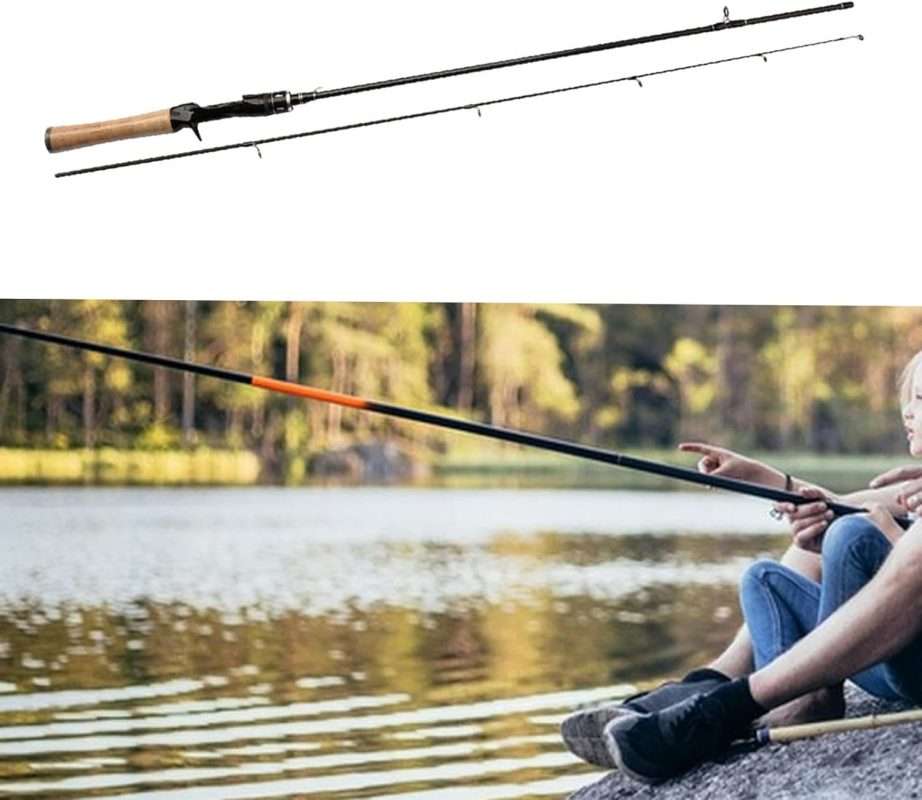
- Spinning rods are forgiving and easy for beginners. They pair with spinning reels and lighter setups.
- Baitcasting setups give power and control for larger lures and lines.
- BFS/bait finesse systems use specialized low-inertia reels and often demand rods tuned for micro-lures. This Baitcasting Fishing Reel with a shallow BFS spool option is specifically designed for this purpose.
Check the rod’s recommended lure weight and line test. For example, rods tuned for 15–30 g lures pair well with medium spinning or baitcasting reels and mid-range braided or fluorocarbon lines.
Saltwater Specifics: Corrosion Resistance and Stopping Power
If you’re taking gear to the ocean, prioritize:
- Anodized aluminum or sealed graphite reel frames
- Stainless or sealed bearings
- Corrosion-resistant guides and reel seats
The Fishing Reel Saltwater Metal Coil, featuring CNC aluminum spools, sealed bearings, and a 10 kg high-drag system, combines corrosion resistance with the strength needed to land big fish.
Performance Examples: Pick by Scenario
Jetty/Rocky Shore, Long Casts, Medium Fish
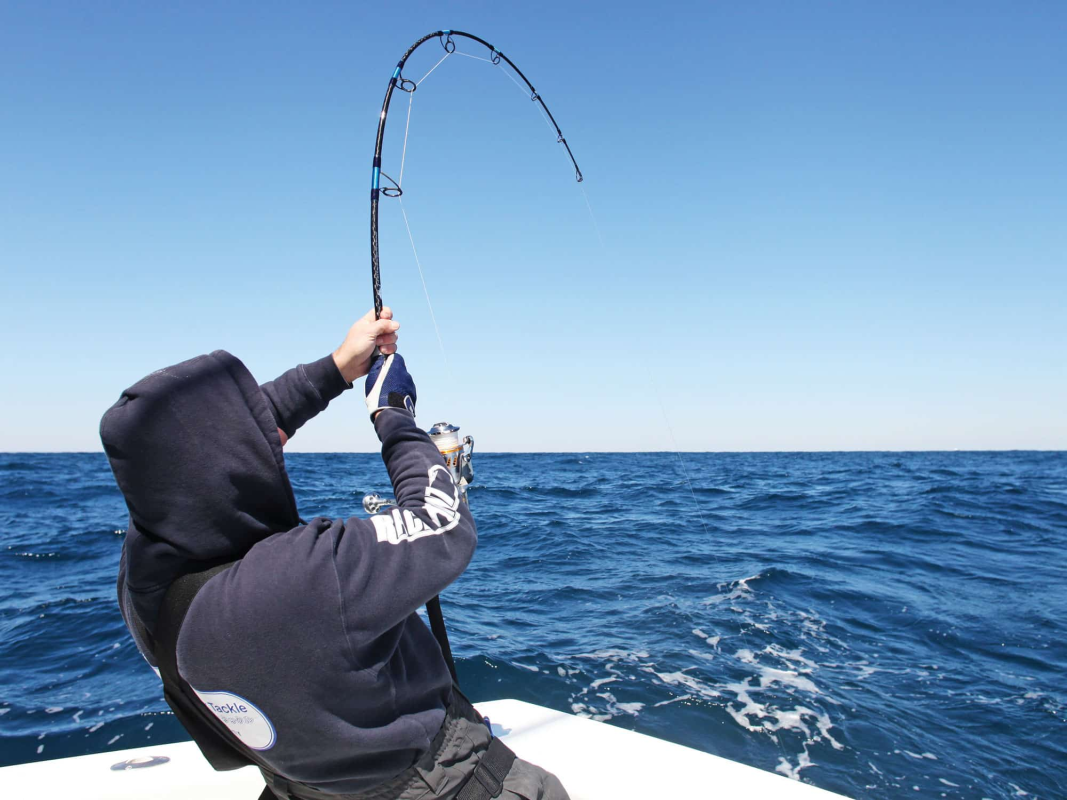
Choose a Telescopic Carbon Fiber Long Casting Fishing Rod with a corrosion-resistant build and 15–30 g lure rating. It balances distance and flight control.
Light Trout and Panfish
The 2-Section Carbon Fiber Spinning Fishing Rod ultra-light 101 g is your pick. It’s sensitive, effortless to cast many times, and great for precision presentations.
Inshore Bass, Quick Retrieves, Flipping, Quick Hookups
The High Carbon Fiber Sea Pole Fishing Rod works best. Pair with an 8.1:1 high-speed gear ratio Baitcasting Fishing Reel: If you’re working topwater or fast crankbaits, you’ll get lightning retrieves.
Big Saltwater Targets (Nearshore, Rockfish, Big Bass)
Use the 3-Section High-Density Carbon Fiber Fishing Rod and Fishing Reel Saltwater Metal Coil: hardened gears, sealed bearings, and 20 lb+ drag capacity are comfortable for real fights.
Of course, to ensure your fishing activities are legal and you can enjoy fishing with peace of mind, please check the U.S. Fish & Wildlife Service website for details on obtaining a fishing license.
Buying Checklist
Before you add to cart:
- Intended species & method: match power/action and lure weight.
- Blank material: carbon for sensitivity, fiberglass for forgiveness.
- Length & portability: long for distance, telescopic for travel.
- Corrosion resistance: mandatory for saltwater.
- Reel compatibility: ensure reel size/type matches rod specs.
Quick Shopping Picks
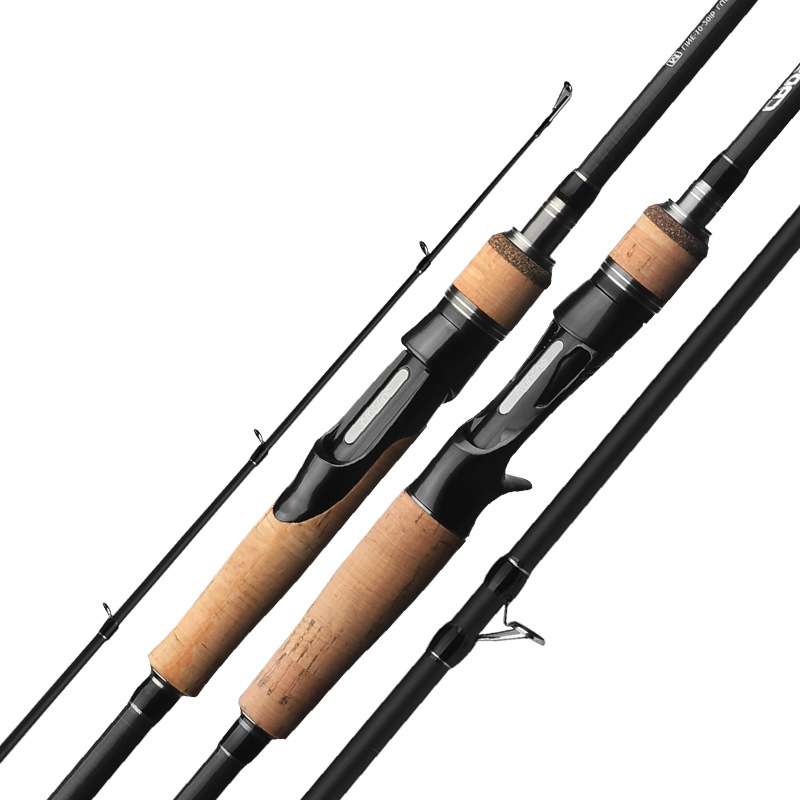
- Best lightweight finesse rod: 2-Section Carbon Fiber Spinning Fishing Rod—101 g, ceramic guides—perfect for trout and panfish.
- Best long-cast saltwater rod: Telescopic Carbon Fiber Long Casting Fishing Rod—158 g, anti-corrosion guides and EVA grip—balanced for shore casting and saltwater species like seabream and grouper.
- Best versatile long-distance rod: High Carbon Fiber Sea Pole Fishing Rod—multiple sizes available; carbon-silicon guides and spiral-wrapped blanks for a blend of stiffness and feel.
- Best travel-friendly option: 3-Section High-Density Carbon Fiber Fishing Rod—collapses for storage without compromising strength.
- Reel match: For heavy-duty saltwater or big-game nearshore, choose a Fishing Reel Saltwater Metal Coil with sealed bearings and at least 10 kg drag. For fast freshwater retrieves, the 8.1:1 high-speed gear ratio Baitcasting Fishing Reel with sealed stainless bearings are excellent.
Fishing Rod Care Tips
- Rinse rods and reels with fresh water after saltwater days.
- Dry before long-term storage; loosen drag on reels.
- Inspect guides for line grooves; replace worn rings to protect lines.
- Store telescopic rods collapsed only if dry—moisture trapped inside causes corrosion.
Conclusion—Which Rod Should You Buy Today?
If you want a single recommendation, pick the rod that fits your most frequent fishing trip. For travel and shore versatility, the Telescopic Carbon Fiber Long Casting Fishing Rod is the best all-around option from your list—it casts far, resists corrosion, and gives a sensitive tip with a strong backbone. If your focus is precision freshwater or long sessions, choose the 2-Section Carbon Fiber Spinning Fishing Rod.
Explore Top-Rated Fishing Rod Options for Every Angler’s Need.