


A fishing rod is part tool, part ritual. Treat it like the delicate instrument it is, and it will repay you with better feel, fewer lost fish, and longer life. Neglect it, and once problems arise, such as sand getting into the guides, broken sections, or salt corrosion, your entire weekend could turn into a repair battle. This guide walks through practical, repeatable maintenance for all types of fishing rods, from telescopic travel sticks to ultralight spinning blanks. No fluff.
Why Maintenance Matters and Where People Slip Up
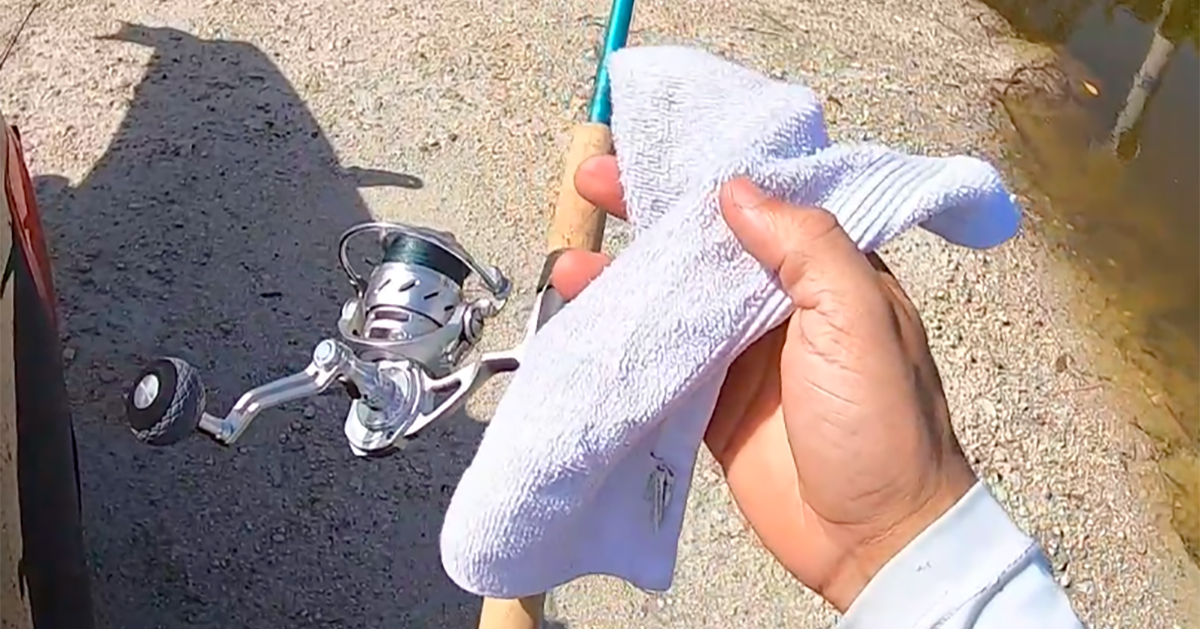
Most anglers know they should “rinse after saltwater.” Few actually do it right. A neglected fishing rod suffers at several levels: guides corrode or nick the line, ferrules loosen, and reel seats seize. These aren’t headline problems—they’re slow leaks that erode performance.
Common slip-ups:
- Collapsing a wet telescopic fishing rod into its case.
- Skipping guide inspections—a tiny groove in a ring will cut braid in a single run.
- Over-tightening reel seats and damaging threads.
Fix these, and your rod feels new again.
The Daily Checklist: What to Do After Every Trip
This is short because you will actually do it.
- Rinse with fresh water immediately. Use low pressure—a spray bottle or hose on gentle. Keep water away from cork grips; use a cloth for handles.
- Open the reel and loosen the drag before storage—preserves drag washers.
- Wipe down the blank with a soft cloth; inspect guides for scratches. Run your finger gently across each guide—if you feel roughness, mark it.
- Dry thoroughly before collapsing telescopic sections. Air-dry or leave out in shade—heat warps blanks.
These steps add two to five minutes to your post-fish routine and save hours of future frustration.
Deep Care: The Monthly and Seasonal Rituals
More time-intensive, but necessary.
Monthly Maintenance
- Inspect guides and replace damaged rings. Ceramic and silicon-carbide inserts protect the line—but when cracked, they’re a liability.
- Check ferrules and reel seat threads. Clean with a toothbrush and light lubricant. If a ferrule feels loose, sand the mating surfaces lightly and refit or get professional help.
- Lubricate moving parts but not blank surfaces. Use a tiny amount of reel oil on metal-to-metal fittings. Wipe excess immediately.
Seasonal Storage
- Loosen reel drag fully. Store rods vertically if space allows.
- Use breathable storage cases—plastic bags trap moisture. A padded rod tube or case with ventilation is ideal for long-term storage.
- Silica packs in rod tubes help control humidity, especially in coastal climates.
Special Care Tips by Rod Type
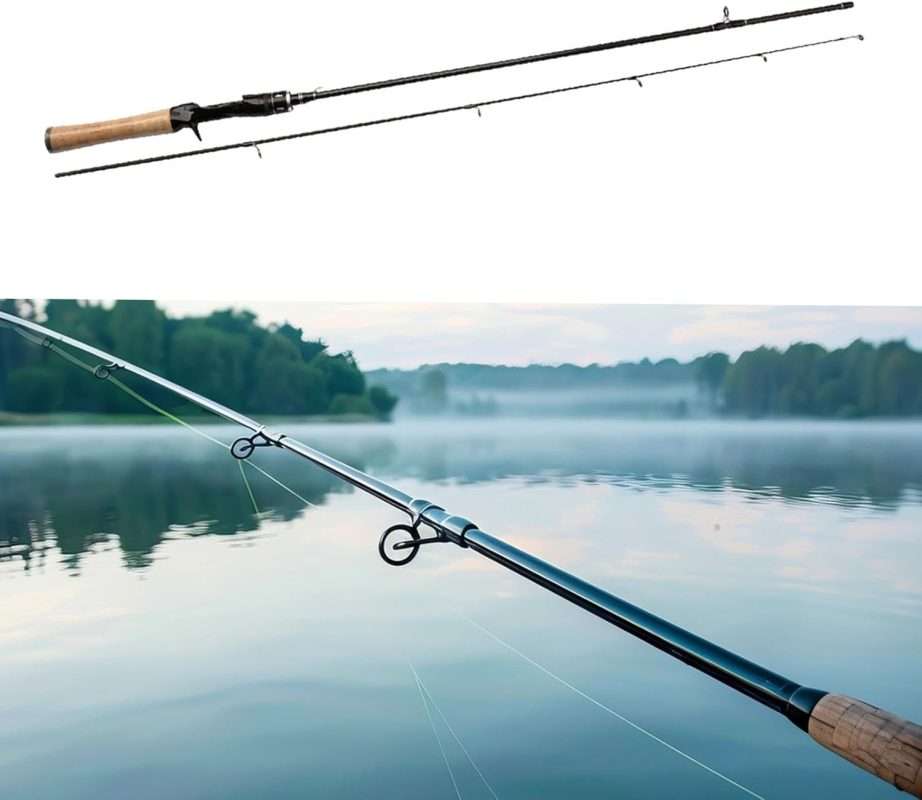
Different fishing rod designs demand small changes in care.
Telescopic Carbon Fiber Long Casting Fishing Rod
Telescopic rods are travel-friendly but vulnerable to trapped sand and salt. When you use a telescopic fishing rod:
- Fully extend sections for the rinse cycle; partial rinses trap grit.
- After rinsing, collapse the rod only once every section is completely dry.
- Periodically apply a light coat of silicone spray on the inner tubes to preserve smooth collapse/extension.
2-Section Carbon Fiber Spinning Fishing Rod (Ultra Light)
Ultralight rods are sensitive and reward careful handling:
- Avoid banging the tip into rock or boat rail—micro-cracks sap sensitivity.
- Use ceramic-safe cleaners for guides; they maintain the smooth action ultralight setups demand.
- Store vertically with tip guards to prevent accidental bends.
Practical Repairs You Can Do in the Field
Not every problem needs a workshop.
- Temporary guide repair: smooth a nick with fine emery cloth and wrap with super-strong thread and epoxy if you have a kit. Not pretty, but it lets you finish the trip.
- Loose reel seat: apply a thin PTFE tape (plumber’s tape) around the reel foot for a snug fit.
- Broken tip: ferrule tips are replaceable; carry a spare tip section if you travel a lot. It’s lightweight and often the difference between finishing a trip and going home early.
Field fixes are stopgaps—get proper repairs when you return.
Storage, Transport and Travel—Avoid the Horror Stories
How you carry a fishing rod determines its future.
- Use a dedicated rod case or padded tube. Soft cases are better than none but don’t protect from crushing.
- For air travel, disassemble into sections and pack in a hard case or wrap in clothing. Label “fragile” and include insurance info if the rod is expensive.
- When traveling with reels attached, ensure the drag is loosened and the reel is secured against movement inside the case.
A good case is a small investment that preserves performance—and resale value.
When to Seek Professional Help
If you see a spiderweb of micro-cracks in the blank or a guide insert shattered, stop using the rod. Structural damage can lead to sudden failures and lost fish. Professionals can re-wrap guides, replace inserts, and, in some cases, repair blanks. Do not bet the rest of your kit on a DIY fix for core blank damage.
Routine Care Kit: What to Keep in Your Car or Boat
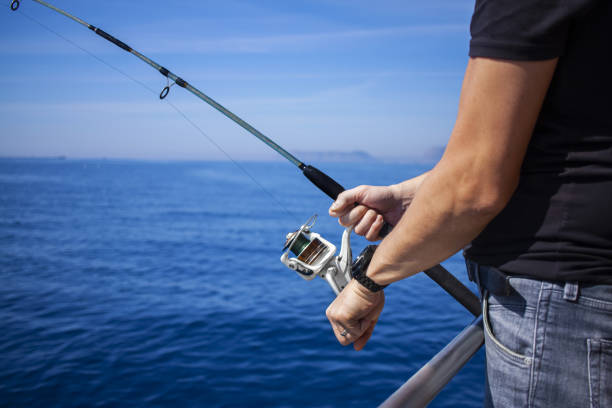
- Soft microfiber cloths
- Small spray bottle with fresh water
- Silicone spray with small bottle
- Spare tip if you travel
- Super glue/epoxy and thread wrap for stops
- Emery cloth, replacement inserts
Keeping this kit organized lets you act fast. And fast action saves rods.
Conclusion—Care Is Part of the Craft
A fishing rod that’s looked after performs better, feels better, and lasts longer. Rinsing, drying, and checking are simple habits that prevent most problems. For travel anglers, the Telescopic Carbon Fiber Long Casting Fishing Rod is worth the extra care, while anglers who favor finesse should protect their 2-Section Carbon Fiber Spinning Fishing Rod by guarding tips and checking ceramic guides frequently. Buy the right case, keep a small care kit, and treat maintenance like part of the sport. You’ll fish more, worry less, and the rod will still be there next season.
Protect your fishing rod—shop telescopic and ultra-light spinning rod combos with care kits.