


If you’re new to lure fishing, the right fishing rod will save you hours of frustration and a few broken lures. Learning to cast, feel bites, and set hooks is hard enough—you don’t need a complicated blank or a finicky reel making it worse. This guide will explain in simple terms which rods are easiest to use, which features are most important, and why the 2-Section Carbon Fiber Spinning Fishing Rod is the wisest choice for most beginners.
Why the Right Fishing Rod Matters for Beginners
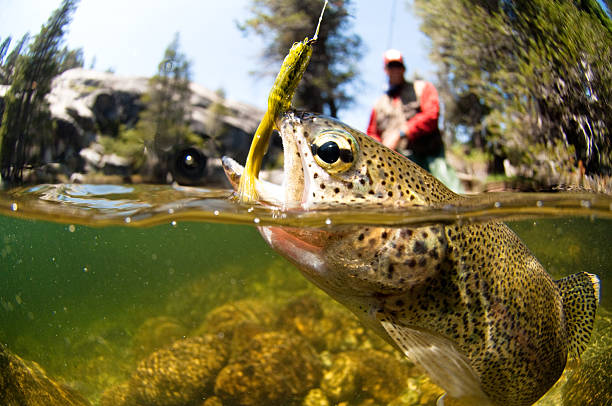
A beginner-friendly fishing rod does three things well: it’s forgiving, it helps you learn fundamentals fast, and it’s versatile enough to cover common early targets like panfish and small bass. Too much stiffness or a heavy blank hides subtle bites; too soft a blank will make hooksets a guessing game. The sweet spot for learning tends to be an ultralightor light-action spinning fishing rod that still has enough backbone to land a surprised bass.
Spinning Rods vs. Casting Rods: Which Is Easier?
If you’re choosing between systems, here’s the short version:
Spinning Setups—Beginner-Friendly by Design
Spinning rods pair with spinning reels and are the least intimidating. Line unspools off a fixed spool, making light-lure casts predictable and backlash-free. For beginners, a spinning fishing rod means fewer tangles, faster progress, and lots more time actually fishing. It’s the go-to when you’re learning distance control and how to read a lure’s action.
Casting/Baitcasting Setups—More Power, Steeper Learning Curve
Baitcasting setups offer precision and power for experienced anglers and are great for big bass work and heavy lines. But mastering spool control takes practice. For your first season, a casting rig can turn “fun” into “not practice” if you don’t spend time on the learning curve.
Bottom line: start with a spinning fishing rod unless you’re committed to a baitcasting crash course.
What Features Make a Fishing Rod Easy to Learn With?
Not all spinning rods are created equal. Look for these features in a beginner-friendly fishing rod:
- Action & power: Light to light-medium power with a fast tip helps you feel bites but still drives hooks.
- Weight: An ultralight blank reduces fatigue during those long practice sessions.
- Guides: Ceramic or silicon-carbide guides reduce friction and protect fine lines.
- Handle: EVA grips are durable and slip-resistant—great when you’re still fumbling with knots.
- Length: 6’6″–7′ is a comfortable all-around size for lakes, small rivers, and casual shore fishing.
- Versatility: A rod that handles 4–12 lb line and a range of small lures is ideal for early experimentation.
Those features let you practice casts, feel strikes, and land fish—the three fast tracks to getting hooked on fishing for the right reasons.
Why the 2-Section Carbon Fiber Spinning Fishing Rod Is the Best Starter Pick

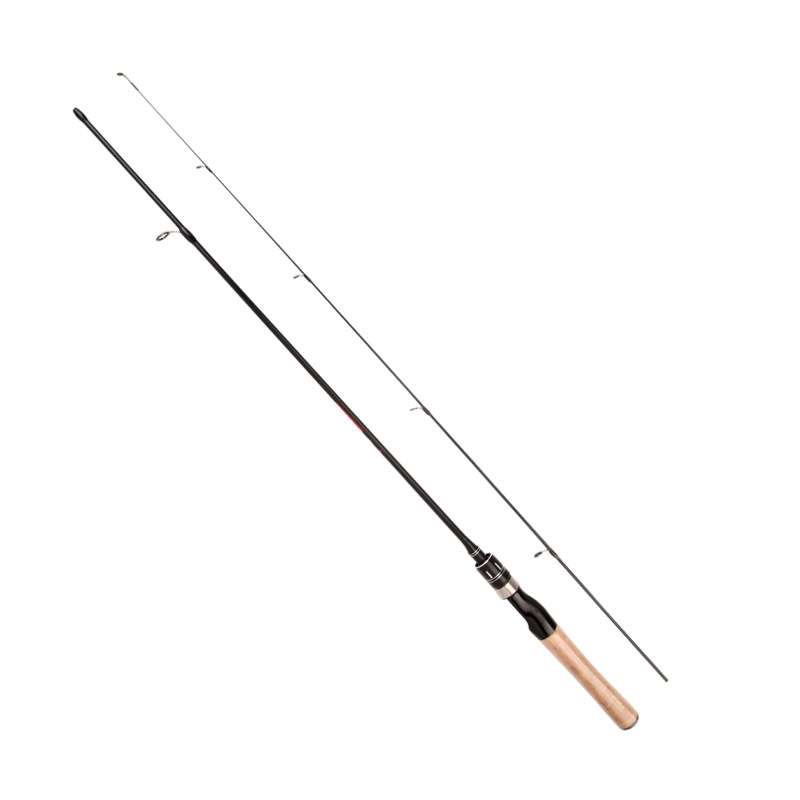
Let’s talk specifics. From the current product lineup, the 2-Section Carbon Fiber Spinning Fishing Rod is the easiest fishing rod for beginners to master. Here’s why:
- Lightweight and sensitive: At around 101 g, this fishing rod is nearly weightless in hand. You’ll cast all day without sore shoulders, and you’ll start feeling those soft, subtle bites that teach you timing.
- Ceramic guides for smooth casts: Less friction means fewer snapped tippets and truer lure actions—great when you’re learning what a proper retrieve feels like.
- Optimized for finesse: This rod is tuned for trout, panfish, and small bass—species that reward good technique and will accelerate your learning.
- Single-hand casting comfort: Ease of use matters. This fishing rod lets you concentrate on the basics instead of fighting an awkward grip.
- Built to grow with you: As you get better, you can explore braided lines, slightly heavier lures, or longer casts—without the rod feeling obsolete.
In short: this rod reduces friction in the learning process and increases the fun factor—which keeps beginners fishing until they’re no longer beginners.
Pair It Right: Reel & Line Advice for New Anglers
A solid spinning fishing rod needs a sensible reel and line. For the 2-Section Carbon Fiber Spinning Fishing Rod, pair with:
- A small spinning reel sized 1000–2500 (or equivalent), spooled with 4–10 lb test monofilament or light fluorocarbon.
- If you want to try braid, 6–10 lb braid with a short fluorocarbon leader is a forgiving setup for learning.
- Keep your drag moderate—too tight and you’ll lose fish; too loose and hooksets will be disappointing.
If your next step is traveling or shore sessions, consider a telescopic fishing rod later for mobility—but start with the spinning rod to learn the fundamentals first.
Practice Tips to Get Comfortable Fast
- One-hour casting drills: Empty field, two targets, 30 minutes each—target accuracy improves far faster than you think.
- Learn line management: Practice mental checks—is the bail closed? Is the line running free? These save you from rookie tangles.
- Feel the retrieve: Hook on a rubber band or soft lure and focus on how it swims at different speeds. Your rod will speak to you once you learn its language.
- Short sessions beat long frustration: ten 20-minute focused sessions are better than a single four-hour slog.
Conclusion—Make the Smart, Easy Choice
If you want to learn lure fishing without the extra baggage, start with a spinning fishing rod that’s light, sensitive, and forgiving. The 2-Section Carbon Fiber Spinning Fishing Rod is the best beginner pick: it teaches you casts, bite detection, and hooksets without getting in the way. Learn fast, catch often, and upgrade later if you need more power for big bass or surf work.
Ready to get started? Pick the right fishing rod, pair it with a modest reel and line, and you’ll be landing your first confident catches within a weekend.